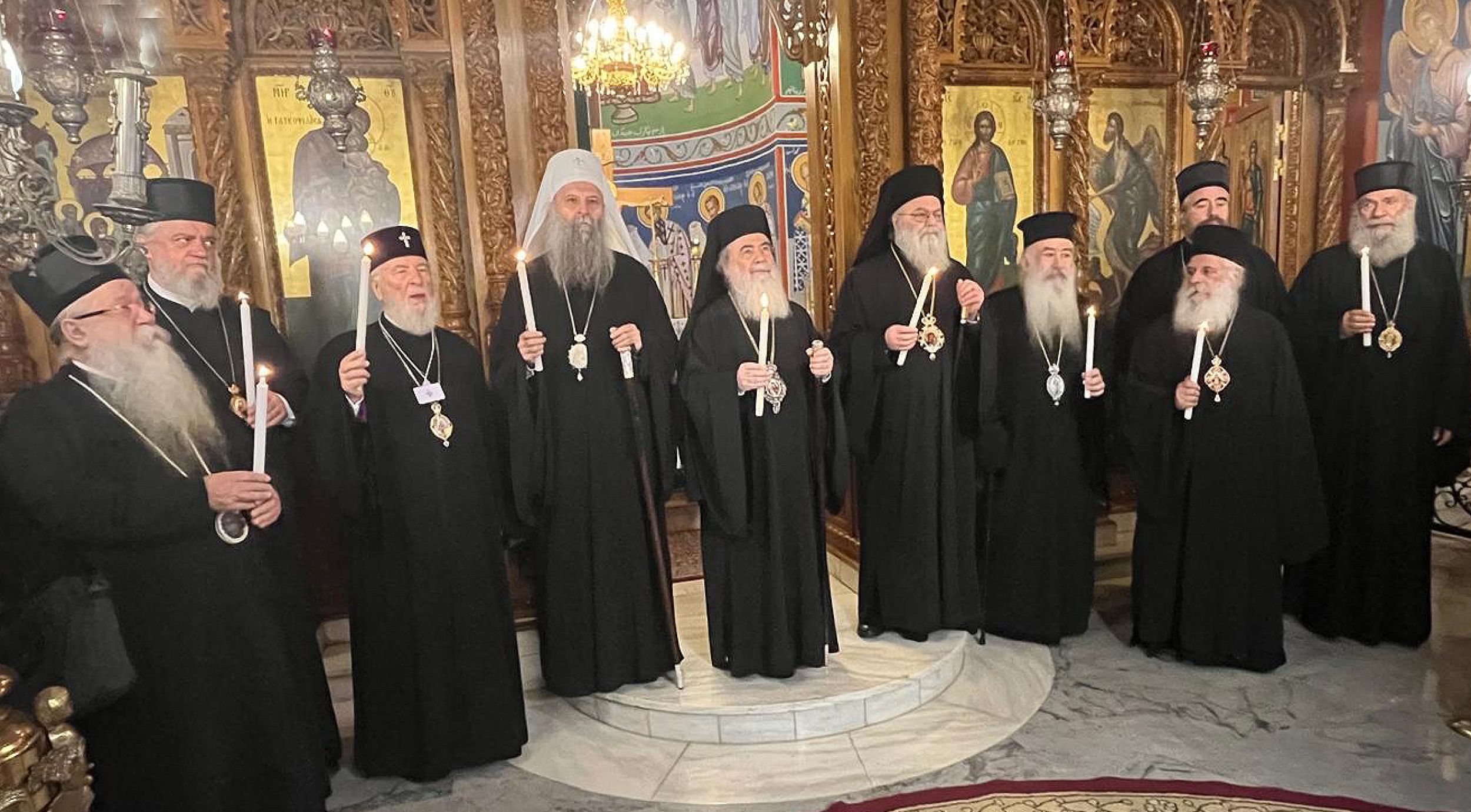
Patriarch Porfirije took part in the International Conference “Aqaba Process – Balkan Interfaith Dialogue”, held in Jordan
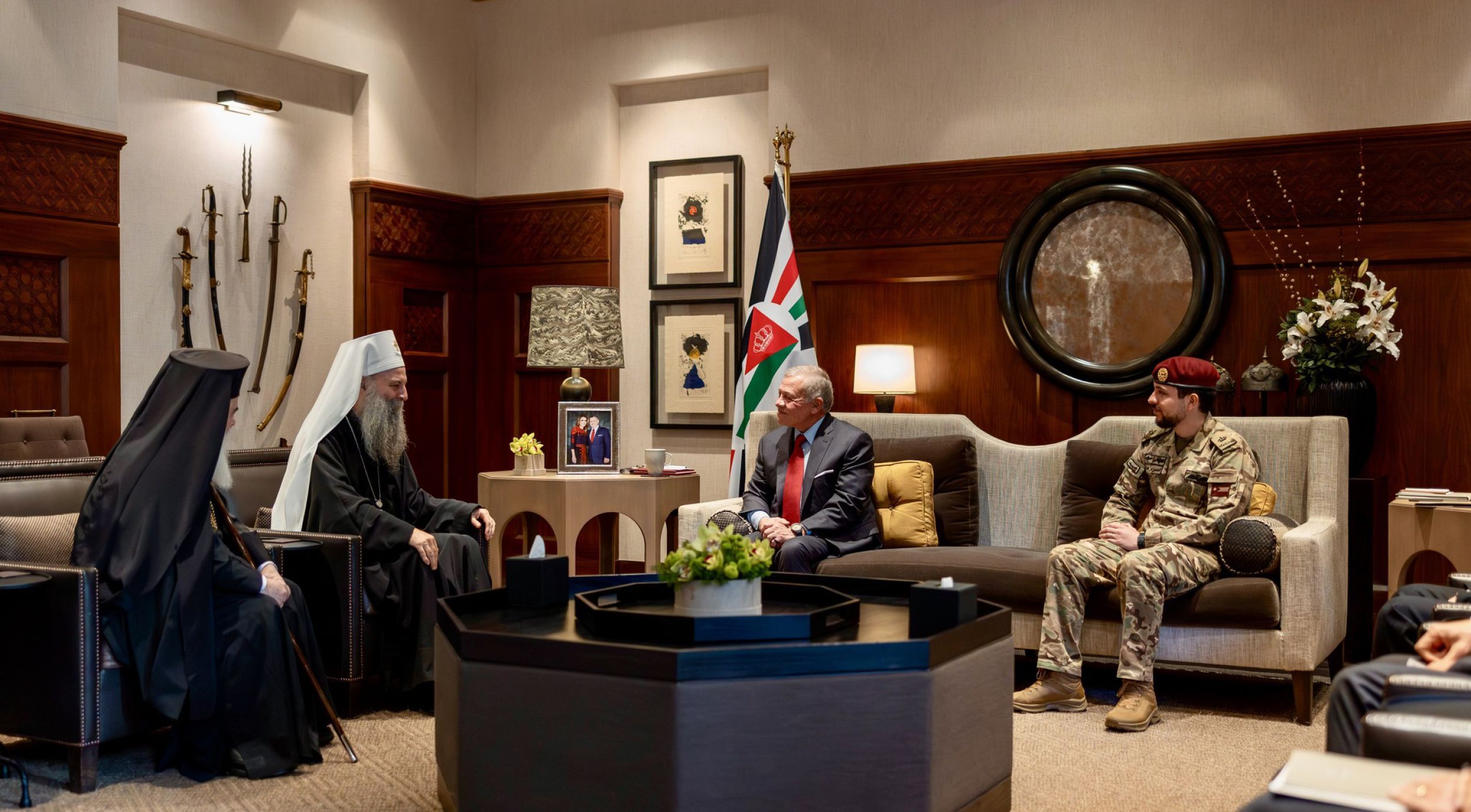
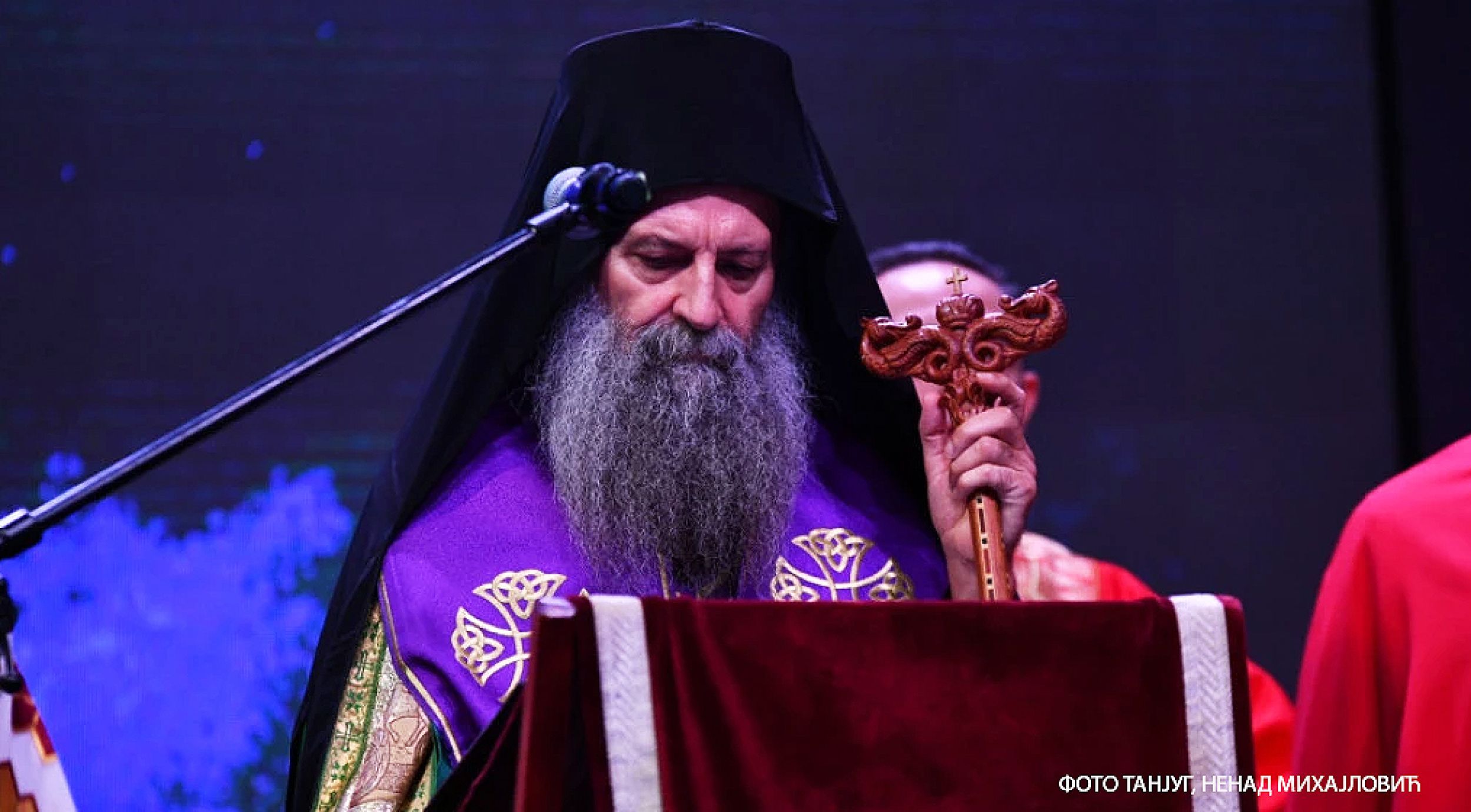
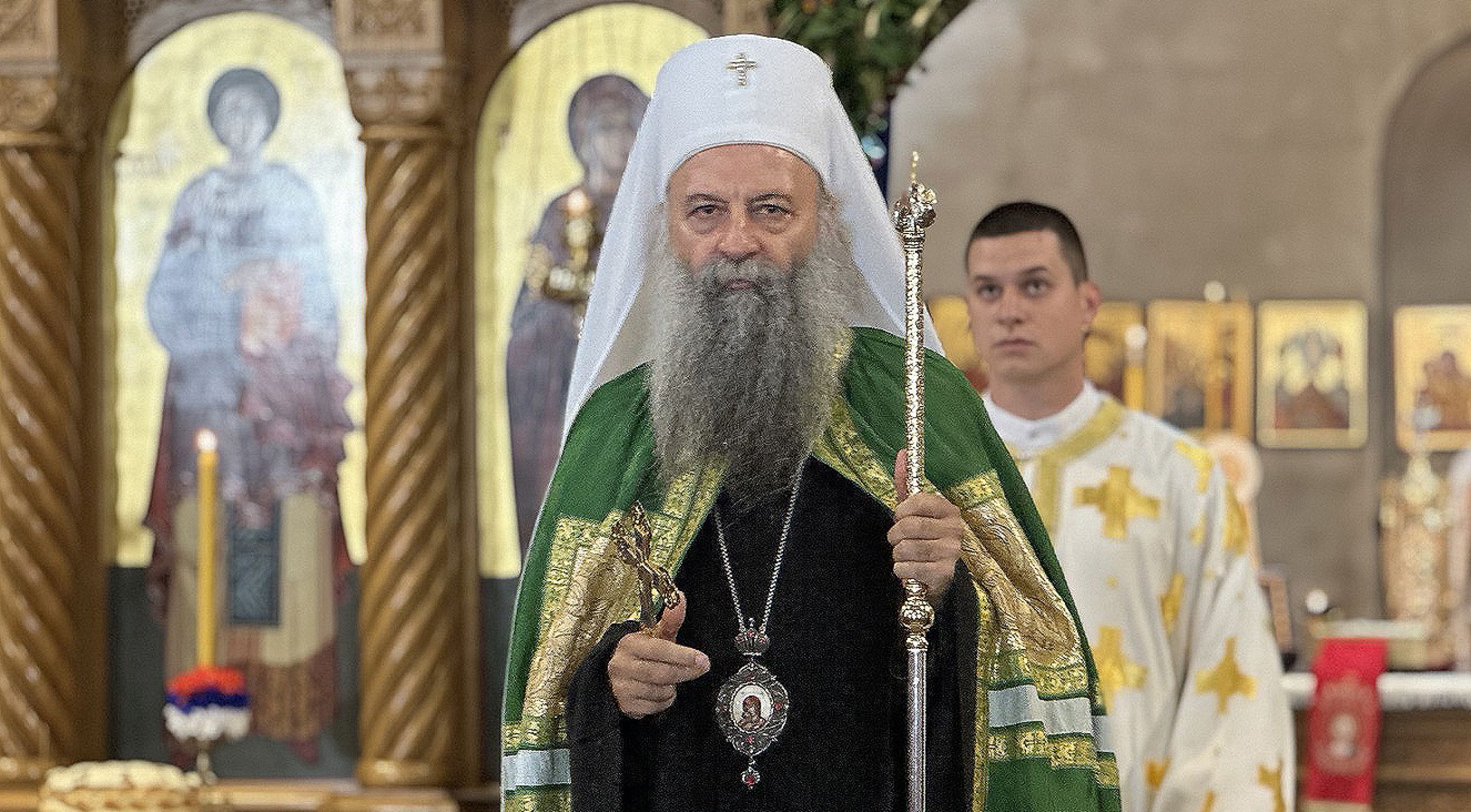
His Holiness Serbian Patriarch kyr Porfirije took part on 9 December 2025 in Bethany, Jordan, in the work of the International Conference Aqaba Process – Balkan Interfaith Dialogue.
The International Conference was held on the tenth anniversary of the peace initiative launched by King Abdullah, at the historic site on the Jordan River in Bethany where Saint John the Forerunner baptized our Lord and Savior Jesus Christ.
In addition to King Abdullah and the Prime Minister of Albania, Edi Rama, participants in the conference included His Beatitude Patriarch of Jerusalem kyr Theophilos, His Beatitude Patriarch of Antioch kyr John, His Beatitude Archbishop of Albania kyr John, and numerous Christian, Jewish, and Muslim religious leaders from the Middle East and the Balkans.
Today’s gathering discussed ways to promote interfaith dialogue for the preservation of peace and security, as well as to strengthen cooperation, mutual understanding, and respect. The participants emphasized that fellowship in a spirit of responsibility and solidarity is the foundation of a better future for the peoples of the Middle East and Europe. His Holiness Serbian Patriarch Porfirije also addressed the gathering, and we present his address in full below:
Your Majesty King Abdullah II ibn Al Hussein,
Your Excellency Prime Minister Edi Rama,
Your Beatitudes, Your Eminences, Your Graces, Excellencies, distinguished religious leaders, ladies and gentlemen, it is with deep respect and heartfelt joy that I greet this esteemed assembly,
We are gathered, by God's providence, in this blessed place of the Baptism of Jesus Christ, where John the Baptist called humanity to the renewal of the heart and to the pursuit of that peace which God bestows. Psalm 34 bequeaths to us words of life-giving wisdom: "Turn away from evil and do good; seek peace and pursue it" (Psalm 34:14). This call unites all our Abrahamic traditions and reveals that the striving for peace is inscribed in the very essence of our religious heritage. We come here to do precisely that: to seek peace and justice and to walk together as fellow pilgrims on the path that God places before us.
Our tradition testifies to the image of God in every human being, that God is the Father of all people and that all people are brothers to one another and thereby hands down to us a shared ethical language: peace as God’s gift, justice as a sacred value, and care for those in need as an act of love and responsibility. This anthropology lays the foundation of values for education that shapes character and builds communities capable of peace and mutual respect. And the eschatological perspective teaches us that the fullness of truth belongs to God and to His future Kingdom, and that such awareness leads us to humility, guards us from triumphalism, and opens us to sincere encounter.
We are familiar with the experience of Balkan reality, but also the realities of many other regions across the globe, where religion has at times been perceived as a source of division and enmity (pars problematis). Yet we know, more deeply and more truly, that faith in God, if it is authentic and sincere, is and must be a source of dialogue and reconciliation (pars solutionis). We know that true peace is not something a person can create by his own effort alone, nor is it merely the fruit of external circumstances. Rather, above all, it is a gift of God that is born in the heart of a person who lives according to God’s commandments, the greatest of which is the commandment of love – love for God and one’s neighbors, that is, for other human beings. Where there is no love, peace cannot take root. When a person carries hatred, envy, selfishness, or egotism in his heart, he creates within himself a turmoil that spreads in all directions around him. But when a person strives, in accordance with God’s commandment, to love, he then sees the other as an unrepeatable brother who has an equal right to life and freedom. He no longer sees him as a rival or as an obstacle, hindrance, or threat to his own existence and freedom. In a word, he sees every human being as a mirror in which the measure of his own humanity and fidelity to God is revealed. Peace is a commandment of God. Therefore, peace should not be sought only in political, social, or material security, but above all in a personal encounter with God – in prayer, repentance, and works of love. Only such peace can become the foundation of peace in families, in society, and among nations.
Therefore, building bridges – that is, peacemaking – is not a program or a project, but the natural expression of the life of the Church and of the life of a person who believes in God.
The Church bears witness that faith is most effective when it leads people toward trust and helps them recognize the common good that stands above all differences and divisions. The historical experiences of the peoples of the Balkans reveal to us that what unites us is greater than what divides us. That is why we are called, through well-intentioned and responsible dialogue, to build peaceful coexistence as a lasting framework for the life of our peoples, for God blesses the makers of peace, not those who destroy it.
Such dialogue requires maturity of mind, heart, and intention. The Serbian Orthodox Church enters conversation safeguarding the integrity of its faith and carrying deep respect for every human being as God’s creation. We do not seek an apparent consensus, but sincerity from which trust is born. We believe that God desires encounter, and that human communities mature through exchange, cooperation, and a shared search for the good. Where spiritual depth is joined to active goodness, dialogue is born that withstands tensions and matures through them.
Honored friends and workers for peace, the River Jordan has throughout history been a threshold – a crossing between the old and the new, between fear and trust, between closedness and openness. And today we stand before a threshold that calls us to courage, to trust, and to openness toward one another. We are called to raise generations for life in diversity, for peaceful coexistence, and for responsibility toward the other, while preserving the fullness and dignity of our own religious identity. We are called to be people who build bridges – bridges of trust that connect differences and lead one person toward another. We are called to make visible that the light of what unites us surpasses what divides us.
We do not cross this threshold alone. The God of Abraham, the loving Creator of heaven and earth, goes with us. He strengthens efforts that exceed our own capacities and makes fruitful what we could not achieve by ourselves. He transforms ignorance into understanding, divisions into encounter, and mistrust into a community that heals wounds and builds peace.
May the peace and providence of the Most High transform our view of one another and our common life in the lands He loves and blesses, so that closeness may grow within us and peace may flourish among us.
We express our sincere gratitude to His Majesty King Abdullah II ibn Al Hussein for the wise initiative that has gathered us in a spirit of peace. We also thank our esteemed hosts and all participants in this assembly, with the hope that the fruits of our encounter will bring benefit to all communities.
The International Conference was held on the tenth anniversary of the peace initiative launched by King Abdullah, at the historic site on the Jordan River in Bethany where Saint John the Forerunner baptized our Lord and Savior Jesus Christ.
In addition to King Abdullah and the Prime Minister of Albania, Edi Rama, participants in the conference included His Beatitude Patriarch of Jerusalem kyr Theophilos, His Beatitude Patriarch of Antioch kyr John, His Beatitude Archbishop of Albania kyr John, and numerous Christian, Jewish, and Muslim religious leaders from the Middle East and the Balkans.
Today’s gathering discussed ways to promote interfaith dialogue for the preservation of peace and security, as well as to strengthen cooperation, mutual understanding, and respect. The participants emphasized that fellowship in a spirit of responsibility and solidarity is the foundation of a better future for the peoples of the Middle East and Europe. His Holiness Serbian Patriarch Porfirije also addressed the gathering, and we present his address in full below:
Your Majesty King Abdullah II ibn Al Hussein,
Your Excellency Prime Minister Edi Rama,
Your Beatitudes, Your Eminences, Your Graces, Excellencies, distinguished religious leaders, ladies and gentlemen, it is with deep respect and heartfelt joy that I greet this esteemed assembly,
We are gathered, by God's providence, in this blessed place of the Baptism of Jesus Christ, where John the Baptist called humanity to the renewal of the heart and to the pursuit of that peace which God bestows. Psalm 34 bequeaths to us words of life-giving wisdom: "Turn away from evil and do good; seek peace and pursue it" (Psalm 34:14). This call unites all our Abrahamic traditions and reveals that the striving for peace is inscribed in the very essence of our religious heritage. We come here to do precisely that: to seek peace and justice and to walk together as fellow pilgrims on the path that God places before us.
Our tradition testifies to the image of God in every human being, that God is the Father of all people and that all people are brothers to one another and thereby hands down to us a shared ethical language: peace as God’s gift, justice as a sacred value, and care for those in need as an act of love and responsibility. This anthropology lays the foundation of values for education that shapes character and builds communities capable of peace and mutual respect. And the eschatological perspective teaches us that the fullness of truth belongs to God and to His future Kingdom, and that such awareness leads us to humility, guards us from triumphalism, and opens us to sincere encounter.
We are familiar with the experience of Balkan reality, but also the realities of many other regions across the globe, where religion has at times been perceived as a source of division and enmity (pars problematis). Yet we know, more deeply and more truly, that faith in God, if it is authentic and sincere, is and must be a source of dialogue and reconciliation (pars solutionis). We know that true peace is not something a person can create by his own effort alone, nor is it merely the fruit of external circumstances. Rather, above all, it is a gift of God that is born in the heart of a person who lives according to God’s commandments, the greatest of which is the commandment of love – love for God and one’s neighbors, that is, for other human beings. Where there is no love, peace cannot take root. When a person carries hatred, envy, selfishness, or egotism in his heart, he creates within himself a turmoil that spreads in all directions around him. But when a person strives, in accordance with God’s commandment, to love, he then sees the other as an unrepeatable brother who has an equal right to life and freedom. He no longer sees him as a rival or as an obstacle, hindrance, or threat to his own existence and freedom. In a word, he sees every human being as a mirror in which the measure of his own humanity and fidelity to God is revealed. Peace is a commandment of God. Therefore, peace should not be sought only in political, social, or material security, but above all in a personal encounter with God – in prayer, repentance, and works of love. Only such peace can become the foundation of peace in families, in society, and among nations.
Therefore, building bridges – that is, peacemaking – is not a program or a project, but the natural expression of the life of the Church and of the life of a person who believes in God.
The Church bears witness that faith is most effective when it leads people toward trust and helps them recognize the common good that stands above all differences and divisions. The historical experiences of the peoples of the Balkans reveal to us that what unites us is greater than what divides us. That is why we are called, through well-intentioned and responsible dialogue, to build peaceful coexistence as a lasting framework for the life of our peoples, for God blesses the makers of peace, not those who destroy it.
Such dialogue requires maturity of mind, heart, and intention. The Serbian Orthodox Church enters conversation safeguarding the integrity of its faith and carrying deep respect for every human being as God’s creation. We do not seek an apparent consensus, but sincerity from which trust is born. We believe that God desires encounter, and that human communities mature through exchange, cooperation, and a shared search for the good. Where spiritual depth is joined to active goodness, dialogue is born that withstands tensions and matures through them.
Honored friends and workers for peace, the River Jordan has throughout history been a threshold – a crossing between the old and the new, between fear and trust, between closedness and openness. And today we stand before a threshold that calls us to courage, to trust, and to openness toward one another. We are called to raise generations for life in diversity, for peaceful coexistence, and for responsibility toward the other, while preserving the fullness and dignity of our own religious identity. We are called to be people who build bridges – bridges of trust that connect differences and lead one person toward another. We are called to make visible that the light of what unites us surpasses what divides us.
We do not cross this threshold alone. The God of Abraham, the loving Creator of heaven and earth, goes with us. He strengthens efforts that exceed our own capacities and makes fruitful what we could not achieve by ourselves. He transforms ignorance into understanding, divisions into encounter, and mistrust into a community that heals wounds and builds peace.
May the peace and providence of the Most High transform our view of one another and our common life in the lands He loves and blesses, so that closeness may grow within us and peace may flourish among us.
We express our sincere gratitude to His Majesty King Abdullah II ibn Al Hussein for the wise initiative that has gathered us in a spirit of peace. We also thank our esteemed hosts and all participants in this assembly, with the hope that the fruits of our encounter will bring benefit to all communities.
Најновије вести
15.06.2026 12:23
Diocesan Day solemnly celebrated on All Saints’ Sunday
29.05.2026 19:36